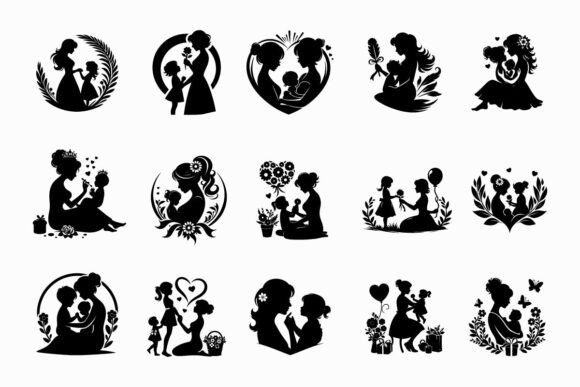
Mother’s Day Silhouette Vector Design: A Designer’s Honest Take
As an embroidery designer who has worked on countless Mother’s Day projects, I’m always on the lookout for a design that feels both elegant and versatile. The Mother’s Day Silhouette Vector Design caught my attention not just because of its aesthetic appeal but also because it seems to bridge the gap between heartfelt sentiment and practical usability. In this review, I’ll walk you through what I observed when considering this design for real-world applications—both personal and commercial.
First Impressions: Mood and Visual Personality
The moment I opened the digital embroidery file, I was struck by the clean, modern silhouette. It’s a minimalist illustration with soft curves and subtle details, which immediately gave off a warm and thoughtful vibe. The theme is classic yet contemporary, making it feel timeless enough for a wide range of products without being too generic. This kind of balance is rare in vector-based designs, especially those intended for sublimation or embroidery.
I noticed how the layout allows for easy customization. Whether adding text, small icons, or adjusting scale, the structure remains intact and visually pleasing. As someone who often modifies designs to suit specific product needs, this adaptability is a huge plus. The detail level is just right—not too intricate to lose clarity when stitched, but still expressive enough to convey emotion and meaning.
What Kind of Project Fits Best?
This design naturally belongs on items like custom apparel, tote bags, sweatshirts, and even baby clothes. Its gentle form and open space make it ideal for a soft, elegant embroidered patch or as part of a larger graphic layout on a holiday gift or nursery decor piece. It works well as a standalone image or as a supporting element in a more complex design set.
Real-Life Embroidery Performance
When evaluating any machine embroidery design, I consider how it translates from screen to fabric. The Mother’s Day Silhouette Vector Design impressed me with its ability to maintain shape integrity across different surfaces and scales. Here’s how it performed in various scenarios:
- Tote Bag Design: When scaled up slightly, the silhouette looked stunning on a cotton canvas tote. The stitch density held well, and the satin-stitched outlines gave it a polished finish.
- Sweatshirt Embroidery: On a thicker fleece material, the design retained its definition. I did adjust the running stitch sections to avoid puckering, but the overall result was clean and professional.
- Baby Clothes: At a smaller size, the silhouette still felt presentable and sweet. However, some fine lines lost a bit of their sharpness, so I’d recommend using a higher thread count fabric here.
- Embroidered Patch: The design translated beautifully into a small patch format. Its simplicity made it easy to stitch without overcomplicating the backing or stabilizer requirements.
- Pillow Cover & Tea Towel: Both home décor items benefited from the design’s clean profile. It added a touch of sophistication without overwhelming the fabric.
For digital product sellers and Etsy creators, the design looks great in printable mockups. Its bold shape makes it stand out against most backgrounds, and the vector format ensures it remains crisp at any resolution. It’s a solid choice for creating digital assets for online listings or branding materials.
Where to Use With Caution
While this design is impressive, there are a few areas where I would advise caution. First, if you plan to use it in a small hoop size, be prepared to simplify further. The delicate lines might struggle to maintain clarity unless the fabric is smooth and high quality.
Second, when working with textured fabrics, such as linen or stretchy knits, the fill stitches may behave unpredictably. Always test on a scrap before committing to a full project. Thin or dark fabrics can also pose challenges—especially with low-contrast thread colors. You may need to adjust your thread palette to ensure visibility and vibrancy.
Additionally, be mindful of curved surfaces like caps or hats. The silhouette’s elongated features may require repositioning or resizing to fit properly. For layered garments or items that will go through frequent washing, consider reinforcing the back with proper stabilizer and reducing stitch density to prevent distortion or wear over time.
Impact on Product Value and Customer Appeal
One of the key strengths of this design is its visual appeal. It conveys a sense of elegance and care, which is perfect for personalized gifts or boutique branding. Customers tend to respond well to designs that feel intentional and refined—this one checks both boxes.
Stitching clarity is another area where it shines. The design avoids overly dense stitch areas, which helps reduce the risk of puckering and ensures a smoother finish. This makes it suitable for handmade products that aim to look professional while maintaining a personal touch.
As a craft business owner or Etsy seller, you’ll want your finished product to reflect your brand’s standards. The Mother’s Day Silhouette Vector Design adds value to your offerings without appearing mass-produced. It enhances the product value, supports brand consistency, and boosts customer trust through its quality and attention to detail.
Design Notes for Embroidery Success
Here are some practical tips based on my experience using this design:
- Test on Scrap Fabric: Before stitching on your final product, run a test on a similar fabric type. This helps identify potential issues with stitch flow or tension.
- Check Thread Color Contrast: If using white thread on light fabric, you may need to switch to a slightly darker shade to ensure visibility. Black thread works well on dark backgrounds, but consider tonal variations for added depth.
- Review Stitch Density: Especially in fill stitch areas, too much density can lead to stiffness or damage. Adjust according to the fabric weight and texture.
- Confirm Hoop Size: Make sure your hoop can accommodate the design comfortably. Cropped silhouettes may not work as well as fully framed ones if space is tight.
- Inspect Small Details: Look closely at the edges and inner contours. Any jagged or broken lines could affect the final presentation, especially on high-end handmade products.
- Use Proper Stabilizer: Depending on your fabric, choose a stabilizer that supports the design without leaving residue or distorting the shape.
- Test in Black and White Mockups: Sometimes color can hide flaws. Testing the design in grayscale helps evaluate contrast and legibility accurately.
- Compare Light and Dark Fabrics: This helps determine whether thread choices and stitch types are appropriate for the background you’re working with.
- Check Licensing Before Selling: Since the description doesn’t specify license terms, always verify if the design permits commercial use and redistribution. This is essential for Etsy sellers and digital product creators.
Final Thoughts for Creative Entrepreneurs
Overall, the Mother’s Day Silhouette Vector Design is a strong contender for anyone looking to create meaningful, high-quality embroidered products. Its versatility allows it to thrive in both personal and commercial embroidery projects, and its visual personality aligns well with the emotional tone of Mother’s Day.
However, success with this design hinges on careful planning and execution. As a seasoned embroiderer, I recommend taking the time to tailor it to your specific project needs. Whether you're crafting a personalized gift or designing a line of custom apparel, this illustration brings a unique blend of artistry and functionality to the table.
If you're serious about your craft business or handmade shop, this design is worth considering—but don’t skip the test phase. Treat it like any other embroidery asset: with respect, precision, and a bit of creativity. That way, your customers will see the love and effort behind every finished product.